
































THE HEART AND SOUL OF YOUR CAR AUDIO SYSTEM

Where does the music we love so much originate?
You’ll likely say it comes from artists or musicians, and I’ll agree! But did you know that sound, as simple as it may sound, is essentially air movement?
Sound is a movement of air generated by a membrane, like our vocal cords vibrating, a guitar string pushing air, or, in the case of car audio, our speakers are doing the most important work. So, the harmonious music I listen to from an acoustic guitar, for example, is a movement of air created by the strings’ vibrations, passively amplified by the guitar’s body.
This air is pushed into the surrounding environment as an acoustic wave, varying in strength based on the source’s intensity and the distance to the ears. Essentially, no air means no music!
As humans, our outer ear collects sounds and transmits them to the eardrum, a rigid and highly sensitive membrane. When these sound waves hit the eardrum, it vibrates, much like a drum membrane. These vibrations are then sent to the inner ear’s organ of hearing—the hammer, anvil, and stirrup—which amplify the waves by about 20 times. Inside the cochlea, sensory cells with tiny eyelashes are bathed in liquid. These waves cause the cilia to tilt, generating nerve impulses that travel to the brain via the auditory nerve. This process is called transduction.
Alright, that was the physics and anatomy lesson! Now the fun part…
Now that we’ve got a better understanding of sounds, let’s explore how we can experience those positive vibes while driving!
Of course, the quality of the recording studio is crucial. It’s where microphones capture those harmonious notes, allowing the sound engineer to process and save the sound in physical or virtual media. However, even a stellar studio won’t save a poor car audio system. The key is finding a balance between your components and your environment. Think of it like a poorly tuned guitar: a speaker that can’t faithfully reproduce the audio source won’t be pleasant to listen to.
There’s no magic involved; it’s simple physics. Speakers convert the electrical current of the audio signal into a magnetic field that opposes the magnetic field of the speaker's magnet. This creates a physical thrust on the speaker’s cone, or dome (if it’s a tweeter).
But how can these speakers be considered the crucial element of your audio system?
Car speakers function similarly to microphones in a recording studio. Both serve as the single focal point, translating signals between electrical and air movement. Think of them as translators. Consider this: if two people communicate and a third-party acts as a translator, this translator has a key role for a clear understanding between those two persons. Similarly, in a studio, microphone quality is crucial, and in a car, speaker quality is equally important. No matter how good the upstream or downstream signal, if the translator (or in your car, the speaker) fails to perform properly, the result will be poor.
The lighter the cone, the easier it moves, delivering more power to your ears. More importantly, it allows the cone to move faster, preserving the music’s dynamics.
Conversely, a more rigid cone pushes air without bending, achieving greater fidelity to the original source and, consequently, higher-quality sound. The key is that speakers must faithfully recreate the recording’s sound without any deviation. Any flexibility in the cone or slow reactions generate unwanted sound waves, known as mechanical distortion, introducing sounds not present in the original recording. This requires finding a balance between a light and rigid cone that can withstand the harsh conditions of a car, including temperature, vibration, and humidity.
Additionally, car speakers must perform well in complex acoustic environments due to their varied positioning, both in angle and distance from the listener. Therefore, a good car speaker should deliver pleasing acoustics with great audio details, regardless of your position relative to the speakers.
You’re not sitting in your living room with perfectly placed speakers, but rather in your car. Speakers in cars are installed in various positions and angles, so a good car speaker needs to have good acoustic uniformity. For example, compare the right front door speaker, which faces the driver’s right ear, to its counterpart in the front left door, which faces the driver’s left ear. The sound emanating from those two identical speakers, installed in completely different locations, should sound similar to your ears from the foundation or your sound system. (Your car speakers.) Any discrepancies can make your audio experience less realistic or even confusing in certain situations.

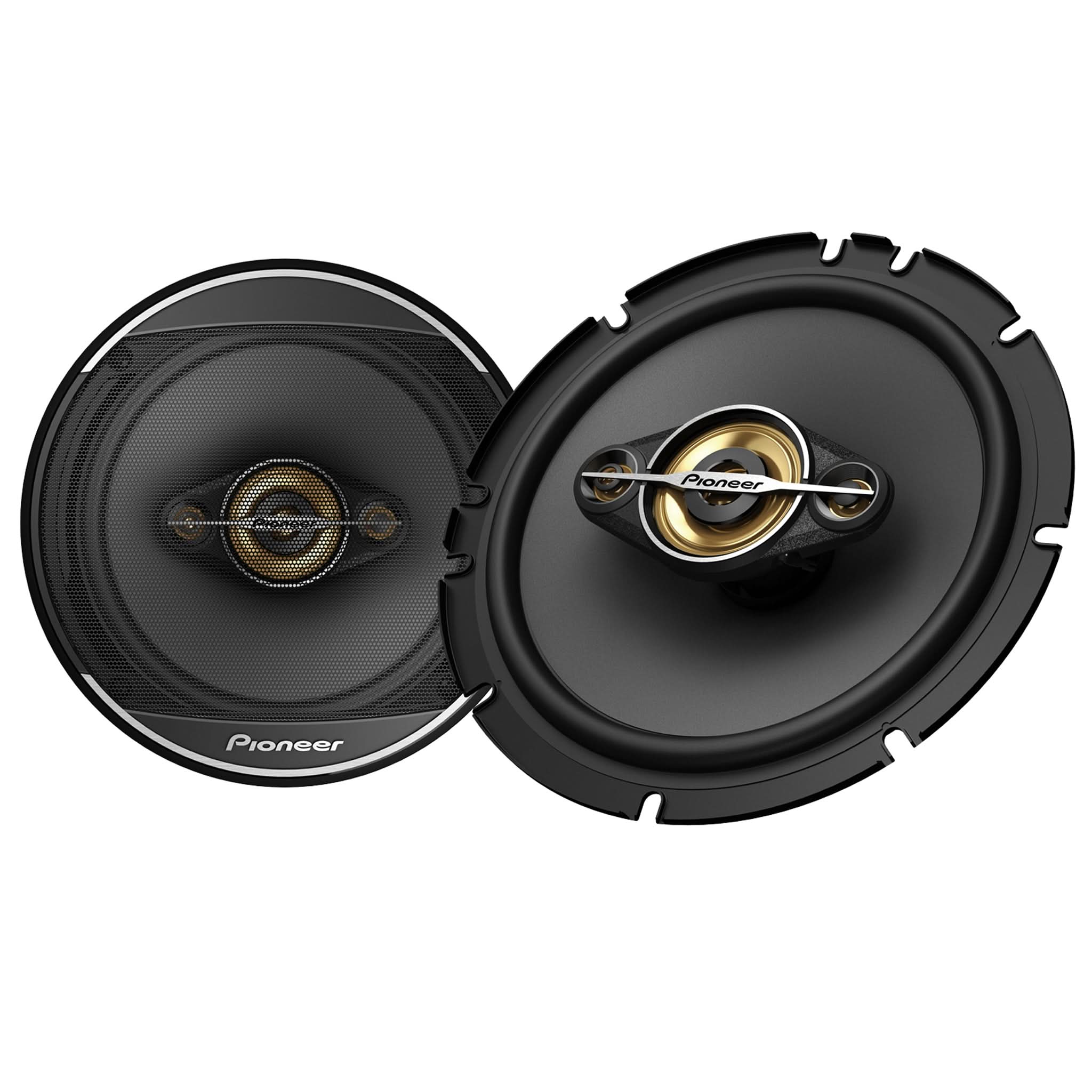
SPEAKER - The final link between your ears.
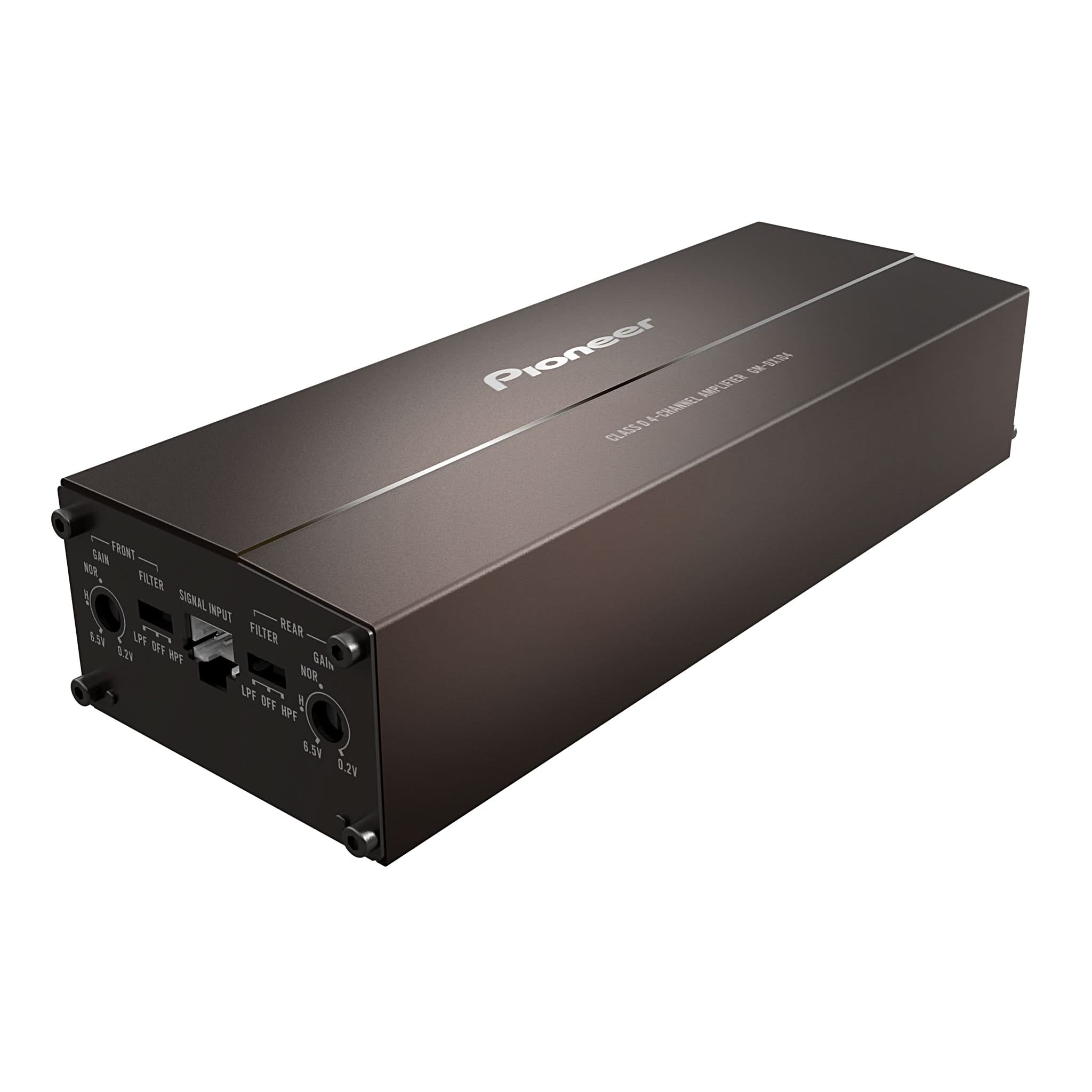
The main unit processes the music, while the amplifier supplies the power. The speaker then converts that electrical signal into acoustic energy, which you ultimately hear. The design of a loudspeaker significantly influences the overall design of the audio system, including:
- Tonal balance
- Clarity
- Details
- Bass response
- Dynamics
- Distortion
-
Vocal reproduction
Even with high-quality electronics, average speakers will produce average sound.
SPEAKER - The architects of the soundstage
In a car, speaker placement presents unique challenges. Speakers are positioned at various distances and angles from the listener, and many are heard off-axis.
Consequently, the speaker’s off-axis dispersion and response are crucial for creating realistic imaging, staging, and sound.
SPEAKER - The revealers—or the hiders—of upstream quality.
A high-quality source and amplifier can produce an exceptionally clean signal. However, if the speaker can’t reproduce it accurately, this valuable information is lost in the final stage. – You’re as strong as your weakest link.
SPEAKER - The factors that influence the system’s potential.
Think of the sound system as a stereo:
- Music → Source → DSP → Amplifier → LOUDSPEAKER → Air → Your Ears
The loudspeaker serves as the final link in this chain, ultimately determining the system’s overall potential. No matter how well the previous components perform, the speaker, the last link in the audio chain, dictates the final result. As this description succinctly puts it: « The main unit provides the music, the amplifier provides the power, and the speaker brings it all to life. »
For a more polished marketing angle: « The speaker is the automotive audio system’s masterpiece—the component that transforms technology, power, and music into an immersive auditory and sensory experience. » In the realm of automotive audio, the speaker transcends its role as just a component; it becomes the voice of the entire system!
The next time someone tells you that OEM speakers or their current car speakers are good enough and don’t need replacing, ask them if they’re comfortable speaking a language they don’t know while using poor quality translation tools.