
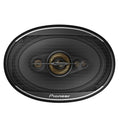
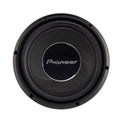
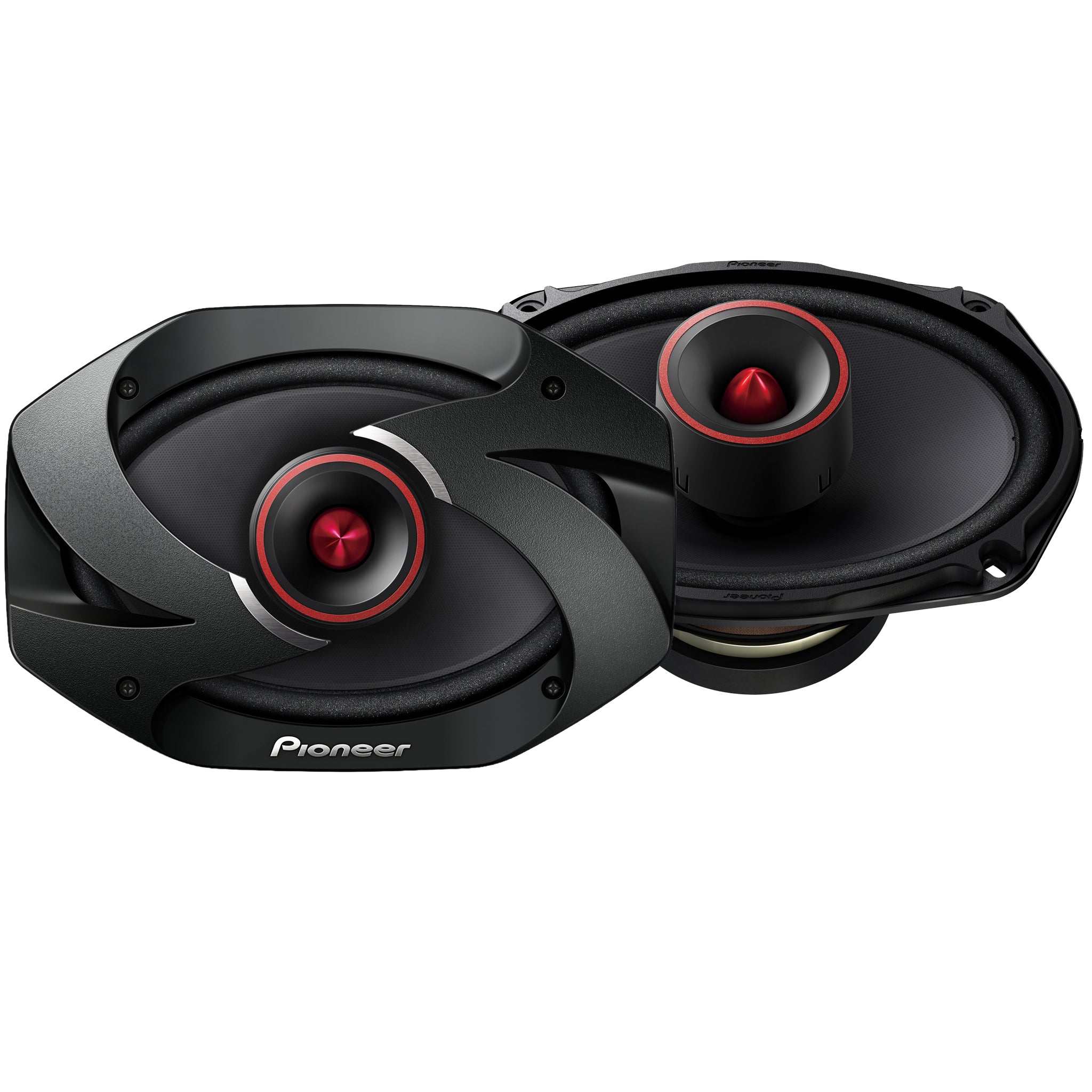
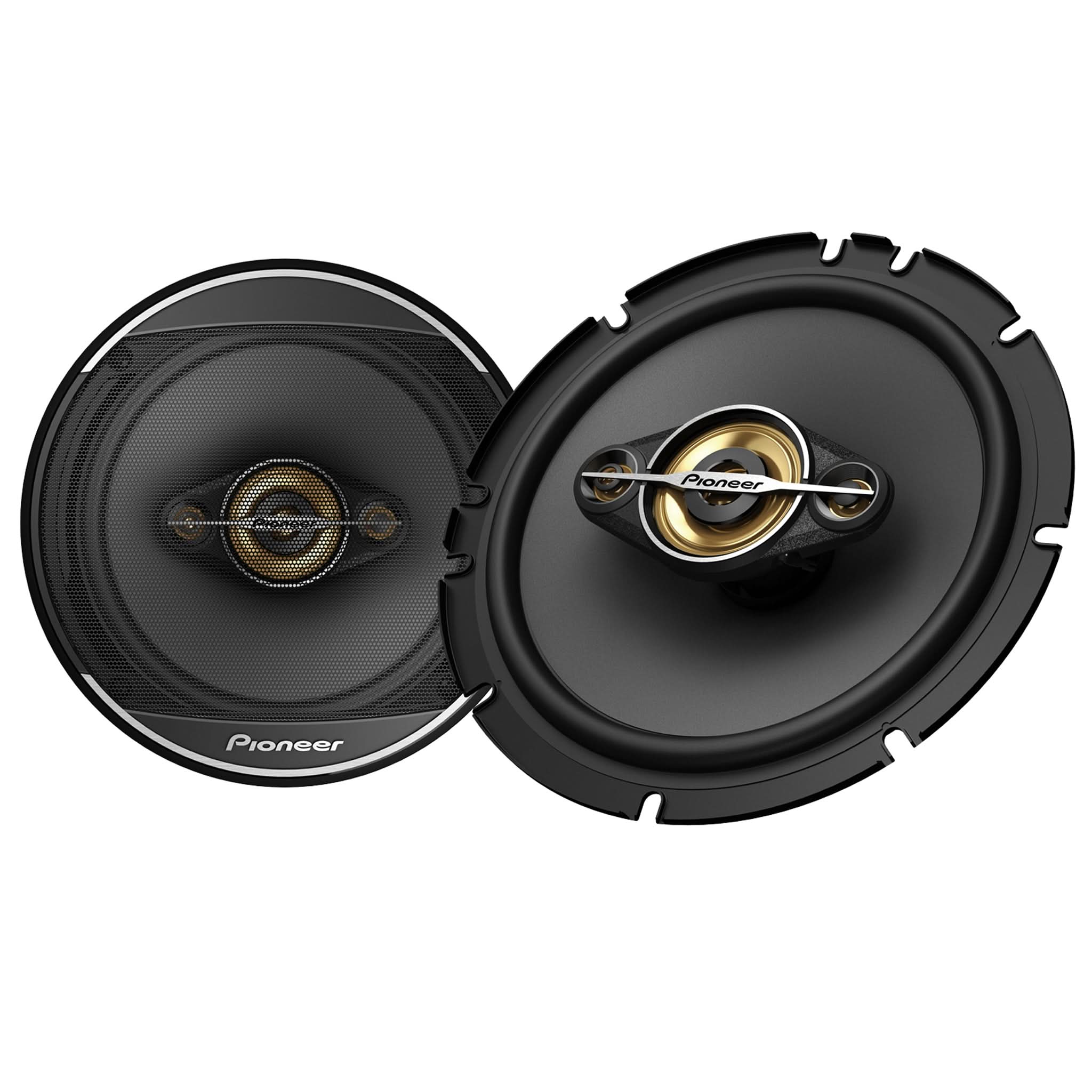
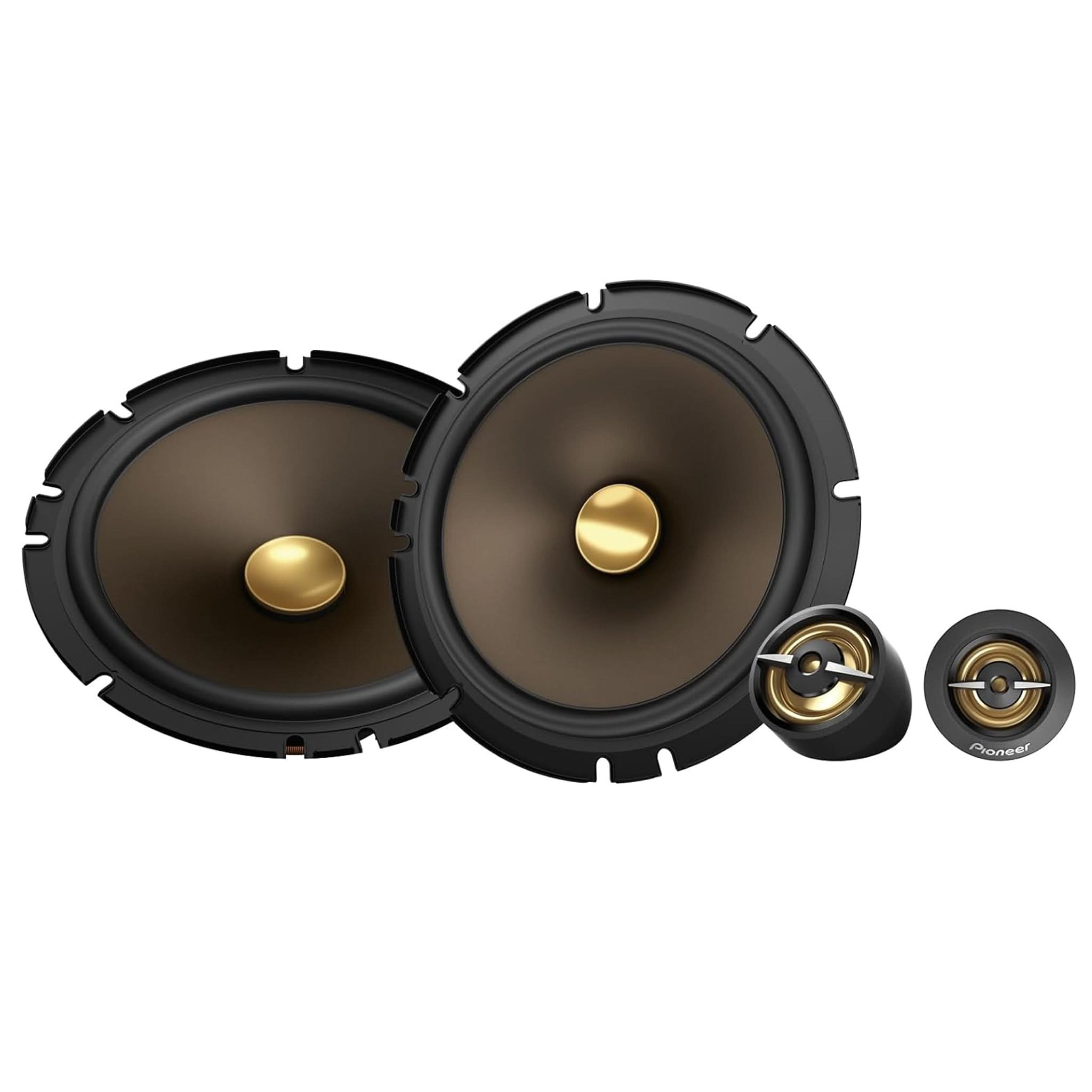
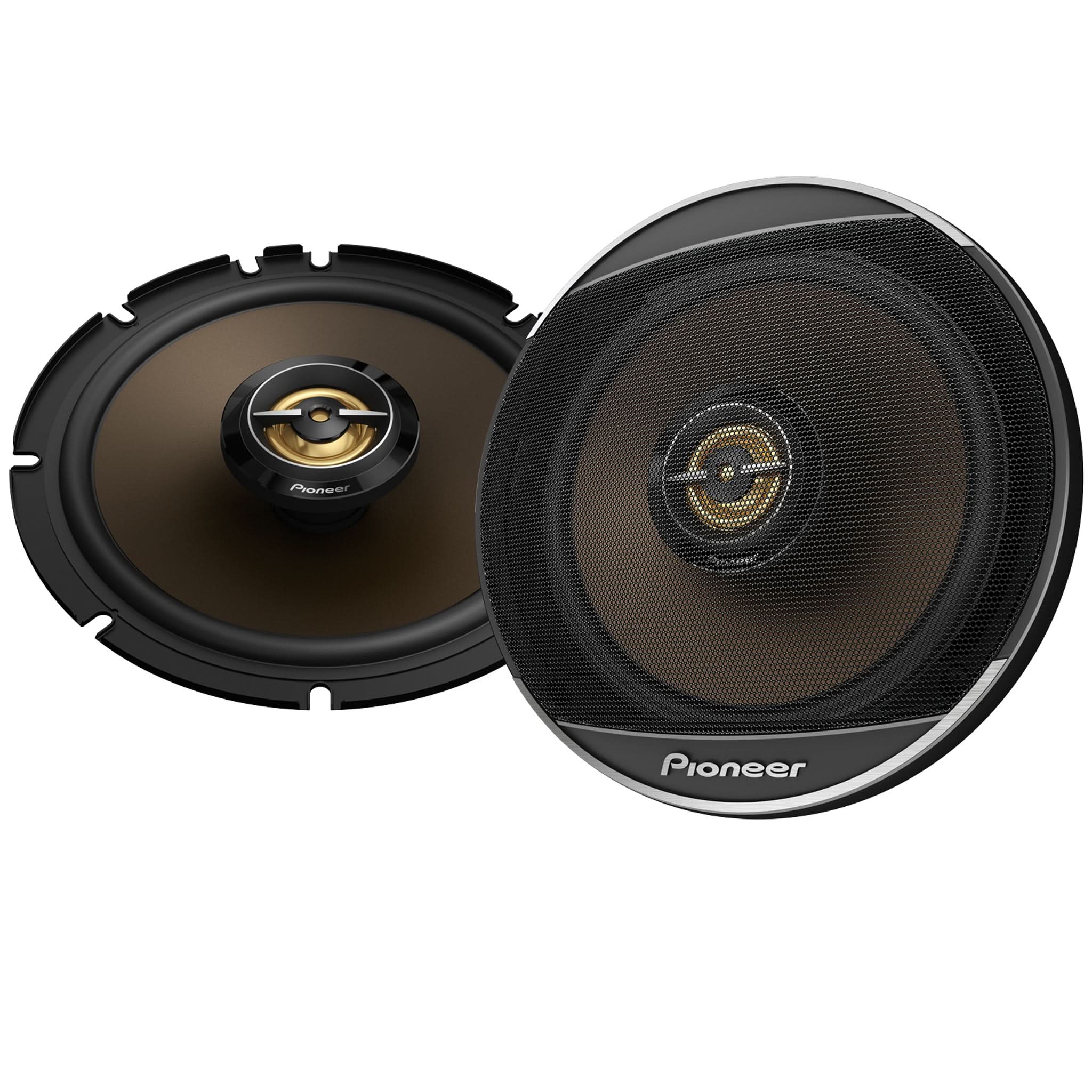
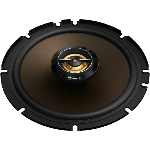


SPEAKERS PROBABLY THE MOST IMPORTANT PART OF YOUR CAR AUDIO SYSTEM (Part 2 of 2)


BEFORE GOING FURTHER
Hello music and car enthusiast! Before you read any further, it's crucial to note that this article is the second part of a series. If you didn't have the chance to read the first part that we published last month, I highly recommend reading it before continuing. You can find that article HERE.
As we shared with you last month, car speakers are unique. This is due not only to their construction, designed to withstand a more demanding environment, but also, and perhaps more importantly, to their specific design, which delivers acoustics with greater uniformity in sound wave propagation, whether you're directly in front of them, at an angle, or even close or further away. Hence the importance of listening to music from different angles to determine the best speakers for you. Car speakers are very different from your home speakers, which are, in most cases, positioned at a greater distance from you, a distance that is also the same, and are also directed straight at you without obstruction.
THE CHALLENGES OF THE AUTOMOTIVE ENVIRONMENT
First Challenge – Demanding Automotive Environment.
Your car speakers must deliver peak performance at all times, whether you're in the Canadian winter, the Texas heat, or the high humidity of coastal cities in California or Florida.
These speakers must, therefore, use suitable materials to maintain its structural integrity. One of Pioneer's major innovations, IMPP (Injection Molded Polypropylene) technology, has been specifically developed and refined over the years not only to design speakers with superior acoustic performance, but it has also allowed us to create more durable products with better quality control for large-scale production, offering you superior quality without a corresponding price increase.
Pioneer's IMPP technology not only allows the use of different material blends, offering lightness, rigidity, improved thermal management, and more, but it also enables the use of varying densities and/or thicknesses during the cone's molding and injection design. This allows for the reinforcement of critical driving areas without adding weight to other sections not subject to the same physical stress when the cone is pushed to create music. The end result is a perfect balance between lightweight and rigidity, only achievable with Pioneer IMPP cone technology. IMPP, four little letters that have come a long way at Pioneer, and have seen many miles in cars equipped with these speakers!

Second Challenge – Compatibility With Vehicles on the Market
Your car speakers must offer good acoustic performance, but it must also be easy to install in your vehicle without requiring any major modifications and, ideally, using the original mounting points to secure it. Even if you choose excellent speakers, if they are not compatible with the designated location or aren't installed according to best practices, their acoustic performance will never live up to their design.
Here are some important points to keep in mind during your purchase and installation process:
-
Confirm that you have the compatible speakers;
-
Shape and dimensions (overall, but also for the mounting opening)
- Round, oval, car-specific, etc.
-
What is the available mounting depth behind the speaker
- Sheet metal, window regulator, tracks, etc.
-
Shape and dimensions (overall, but also for the mounting opening)
-
What is the clearance in front of the speaker and the trim over it.
- Door panels, finishing trims, grills, etc.
-
Confirm your needs for mounting accessories:
- Does the speaker install directly into the opening?
- Does the rear clearance require any spacers?
- Does the front section of the speaker require any specific clearance?
-
What will be your wiring and connector requirements be?
- Do you have the correct wire gauge (based on your amplifier power)?
- Will you be using the vehicle's original wiring (if possible)?
- If adding wires, what are your installation options, and/or where will you need to run the wires?
I strongly encourage you to pay attention to all the details to avoid any problems when installing your speakers. Even if they have the same standard and typical form factor, they are not all identical. For example, with a very popular speaker format, like a 6.5”, this speaker basket can have different dimensions or clearances. These might seem insignificant at first glance, but they can be the result of easy installation, or a nightmare based on the lack of clearance in front or behind the speaker, or again, if the speaker you’ve selected has a mounting diameter just a bit bigger than the opening of the sheet metal in your car.

To address this integration challenge and since 6.5” and 6”x9” speakers are the most popular formats on the market, Pioneer has designed "Multi-Fit" adapter plates that are included with many of our selected A-Series speakers. Of course, we also include various brackets and adapters for many other shapes and sizes, like multiple installation options available for our component tweeters. For more details, I invite you to look at the product pages to confirm the included items and avoid purchasing any third-party items that we already include in the box.
To make your shopping experience even better while looking for Pioneer products, we have our "fit guide" available on our website and that will provide you a quick idea of what may fit or not with your car. But did you know that we've also included a small QR code on each of our speaker packages that includes our Pioneer "multi-fit" adapters? A quick scan of this QR code with your smartphone will not only allow you to confirm speaker compatibility, but we'll also be able to show you how your speakers can be replaced. In short, without even touching a screwdriver, you'll already have a very good idea on how to proceed.
-
How to remove your original (OEM) speaker from the factory location
- Is it screwed in?
- Is it secured with rivets?
- Does it use any special molded clamps?
- Does it use any car-specific plastic adapter?
- Which sections of the Pioneer Multi-Fit adapter should be kept or removed?
-
What are the specific recommendations for your vehicle?
- Do you need to install the speaker in a particular way?
- Are there any specific clearances to consider?
For the ones who may wonder… YES, we scanned, tested, and validated all these cars and trucks to confirm the perfect fit with our speakers!
Pioneer's "Multi-Fit" adapters will save you a lot of time and a lot of headaches! You'll benefit in several ways:
- Time AND STRESS savings
- Savings on installation materials
-
An adapter plate designed for the automotive environment
- Avoid homemade mounting plates made of wood, which doesn't hold up well in humid conditions and winter time.
-
Improve your speaker's sound (enjoy dynamic bass/mid-bass and more precise audio)
-
A more solid foundation to secure the speaker
- Less structural vibration (reinforced metal sheet) to improve bass responses and give you accurate music.
-
Elimination of openings near the speaker
- Better isolation between the front and back of the speaker to avoid any unwanted audio cancellations.
-
Speaker clearance (front/rear) better suited to the environment
- Audio waves are more focused thru the opening (perforations) designed by the manufacturer of the car trims to allow sound from your speakers to pass through where they should instead of being trapped in your trims.
-
A more solid foundation to secure the speaker
Click HERE to see an example from our A-MAX series speakers;
Third Challenge – The Most Challenging One: acoustic in the car!
As mentioned in the first part of this article, the interior of your car creates a unique listening environment that presents many challenges. We’re far from your living room at home, and even further away from a pair of headphones, which are “virtually” unaffected by the acoustics of their surroundings. The varying positions and angles of the speakers, uneven distances, and the curves and textures of the materials used in the car's interior involve many aspects we must consider to provide you with the closest possible acoustic similarity at the source - the speaker itself. For example; The ultimate goal for the sound generated by your driver's side door speaker is to be perceived by your ears in the same way, or as similarly as possible, to the sound coming from your passenger's side door speaker. This need to be true even if the listening angles and the way the music is "colored" by the environment, depending on the reverberations and potential sound waves cancellation caused by the car's interior. The immediate environment of these sound waves is not the same for these two speakers, so you can understand that the perceived tones could differ significantly. Our listening position and angle relative to these car speakers place us in an environment where the greatest perceived difference will be in the high frequencies and the mid/high notes of the frequency range. Acoustic directivity increases with higher frequencies. Therefore, having a listening position that creates a drastically different angle for the left and right, or front and rear, will result in a significant loss of detail and perceived dynamics for speakers positioned at sharper angles (off-axis).
So, in basic practice, if you're in the driver's seat, you'll perceive more high-frequency information from the passenger door speakers and less detail from the driver's door speaker. However, if your speakers have been designed for this type of use - and spoiler alert here, our Pioneer car speakers are particularly good at this - this acoustic difference will be minimized at the source, with one goal in mind: to offer you greater acoustic similarity and thus a better, more realistic musical experience.
- More stable tones from any acoustic movements. (That is, your singers will maintain the same voice even if they move from left to right.)
- A tonal balance allowing for better and more precise sound staging
In addition to the typical challenges created by these different angles, automobiles also present certain challenges related to height and physical limitations. In most cases, you will find larger speakers (typically 6.5 inches or 6x9) installed in the lower front section of the doors for two main reasons;
- Physical limitations in installing them higher in the door without interfering with the sliding window mechanism, the handle, and other controls,
- And to avoid further exacerbating any acoustic problems related to the distance between your ears and the speakers.
This lower speaker position will normally, and unfortunately, result in a lower acoustic image (audio staging). To address this, and to bring your soundstage closer to eye level, speakers primarily focused on mid/high frequencies are required in higher physical locations: the dashboard, close to the doors’ mirrors, or the pillars on each side of the windshield. These speakers will largely correct the situation. However, this same addition, typically a tweeter from a component set, could also create a problem while correcting the height of this audio staging. If the tweeter's bandwidth is limited, and therefore its crossover frequency is high (close to 5kHz or more), you will unfortunately perceive changes in the acoustic balance depending on the frequencies played. For example, a female vocal will be perceived at eye level, while a singer with a deeper voice will be perceived lower, which should absolutely not be the case; your soundstage must always be precise, detailed, AND stable, no matter who’s signing.

To meet this challenge, Pioneer has developed over the years the "Open & Smooth" concept, specifically addressing these acoustic transitions, both in terms of frequency range and the soundstage when listening simultaneously on axis and off axis. To achieve this, our tweeters are, among other things, capable of a wider bandwidth, allowing the use of lower-frequency high-pass filters to better support the frequency transitions between mid and high frequencies and that will result in a higher and more stable soundstage.
Also, as an integral part of our "Open & Smooth" concept, we have developed various acoustic solutions over the years to ensure that sound propagation within your car is as uniform as possible, whether you are directly in front of or at an angle to your various speakers. To achieve this, we use different technologies, which may vary from one speaker series to another; through the use of different materials, different waveguide designs, or the combination of two or more technologies. Without going into lengthy technical descriptions, I will nevertheless share with you some typical frequency responses of our most popular series (A Series), comparing it to other well-known offerings on the market.
As the old saying goes, a picture is worth a thousand words so, take a close look at all the details and what they are saying! But first, here are a few basic concepts/information to help you better understand the different graphs:
-
Each graph incorporates the same frequency and amplitude response measurements:
- Signal amplitude (volume level) from low to high
- Frequency response from bass notes to the high ones (left to right)
- The same measurement scales are used for all scenarios
-
Each group of graphs incorporates seven (7) acoustic responses based on measurements taken:
- From an on-axis measurement (0 degrees / in front) and represented by the graph in the background of each group.
- Up to an off-axis measurement at a 60-degree angle located at the front.
- Each of the intermediate graphs represents a 10-degree increment.
So, I'll let you look at the graphs here and ask yourself just one question: Which solution offers the greatest acoustic uniformity, and therefore, the one that will give you the best acoustic symmetry in your car during your next road trip with great music?

Fourth Challenge – Negotiating With Various Types of Audio Content
If you recall reading the first part of this article, we mentioned the importance, when listening to music for the purchasing process, of having YOUR MUSIC on hand, recorded or available in THE SAME FORMAT you use daily. We also emphasized the different types of encoding. For example, a compressed streaming source like Spotify versus lossless music like FLAC on a USB drive or a lossless recording using your smartphone's memory chip.
Why is this so important? Simply because, although the ultimate goal of speaker design is to deliver your music without any coloration, speakers are:
- Designed and created by humans who add their personal "touch" and are therefore incapable of remaining 100% objective. (This is a typical human trait.)
- Each potential customer also has varied tastes and expectations that we must satisfy according to their preferences. Therefore, that's why we also offer different speaker models, segmented into different series to meet the varying expectations of different consumer groups.
To give you more details on the potential impact of various product and audio source selections in your car, I’ve created a graph roughly representing three different frequency responses.
For the first exercise, I invite you to focus solely on the blue curve. This curve represents approximately, (so take it with a pinch of salt) the typical frequency response that the North American ear prefers for listening to music in a car.
If this curve is our targeted end result, and if our audio source is a completely flat and uniform signal across the entire bandwidth, then I think you'll agree that we should have a speaker with a frequency response that will be more dominant in the bass and more attenuated in the treble to get closer to that same target curve (blue line).
However, if these same speakers installed in the car receive a different audio source, such as a compressed audio file, the result will inevitably be different. Since low and high frequencies are normally attenuated within the recoding (green dotted line), the acoustic thrust of our speakers will be different and this will result in a final audio (red line) that is the sum of these two frequency responses, i.e. the electrical audio source (green dotted line), and the acoustic signature of our speakers (blue line).

So, if the acoustics differ from one speaker family to another, and you combine this with a recording format that may or may not compress your music at certain frequencies, you'll understand that this can have a significant impact on the final result. For example, a speaker that is, by design, more output in the high frequencies could be a wise choice to compensate for the lack of these same frequencies in a basic streaming audio source. Similarly, a speaker with a more muted acoustic signature would be excellent for uncompressed music, but likely a disappointment for listening to compressed music, which would further diminish all the high-frequency details. In short, the speaker that meets all needs doesn't truly exist (because of human preferences and habits). However, once you have made and validated the correct selection on your end, having taken care to do your homework, the selected speaker will certainly be the PERFECT choice to meet YOUR NEEDS!
To help you better understand our different product offerings and select the speakers that may potentially meet your needs, here is the key information of our three most popular series;
Z-Series (BEST) - For the Audiophile
These speakers are designed for an audience often described as an audiophile. They will deliver an exceptionally detailed audio experience. They offer Pioneer's widest audio bandwidth and are also Hi-Res certified.
The bass outputs of these speakers are punchy, precise, and extremely well controlled. The design of these speakers aims to extract every possible detail from your audio recordings, from the lowest to the highest frequencies, and to provide acoustic reproduction as faithful as possible to the source. With them, you'll hear every detail of your recordings and sometimes discover nuances you've never heard before. The Z-Series' signature sound is a beautiful, natural bass presence coupled with a natural and extremely detailed high-frequency response.
To achieve this level of refinement and detail without generating artifacts, we must minimize any distortion/flex from the cone/dome as they operate. This allows us to deliver only the intended musical content and avoid generating any unwanted vibrations (sound) that are not on the recording. Therefore, to achieve this, we use more rigid materials, such as multi-layered constructions, denser and more rigid materials like aramid fiber. Because these materials are heavier, these types of speakers require a higher electrical signal to properly move the cone and dome to let those speakers operate at their full performance. So, to answer the question we typically receive, these speakers must be installed with a good and dedicated amplifier of 75 to 100 watts RMS for the full-range speakers. Do not even consider using them with a basic power source such as your radio's built-in amplifier; you won't be doing these speakers justice.
These speakers incorporate a tweeters base section that allows you to change their angle to further optimize acoustic propagation in the high frequencies. The Z-series is offered in a shallow 10-inch subwoofers working in a small 0.6 cu.ft. sealed box and in a 6.5-inch format for coaxial speakers and component sets.
Click HERE to look at the Z-Series Speakers.

D-Series (BETTER) - For The Music Lover
In my opinion, these speakers are the logical choice if you're looking for a highly musical, more versatile with more installation opportunities, and more affordable solution than our Z series.
The D-Series offers more installation and optimization options for your vehicle than our Z series; 6.5-inch, 6x8, and 6x9 configurations are available in both coaxial and component sets, as well as a range of shallow 10-inch subwoofers and conventional 10-inch and 12-inch subwoofers for serious bass enthusiasts. These subwoofers are also compatible with a bass-reflex enclosure design for even greater efficiency.
While the D-series speakers don't feature the aramid fiber of the Z-Series, they do incorporate IMPP cone technology reinforced with aramid fiber. This provides superior rigidity, particularly in critical areas, while maintaining a more manageable cone mass. Just like our Z-Series speakers, the D-Series speakers will perform best with dedicated amplification, they will truly shine when connected to at least 50 watts RMS for the full-range speakers (ideally a 75-watt RMS is the sweet spot).
The D-Series' acoustic signature is particularly suited to music lovers who desire a more prominent bass, both in terms of power and extension into the lowest frequencies, while still offering excellent acoustic definition for warm vocals and slightly more subdued, yet still very detailed, high frequencies compared to our Z-Series.
Click HERE to look at the D-Series Speakers.

A-Series (GOOD) - Pioneer’s Biggest and Most Flexible Offer
These speakers are Pioneer's most popular, and it's pretty easy to understand why. They offer exceptional efficiency without compromising power handling—a compromise that's often difficult to achieve!
The A-Series speakers deliver excellent acoustic performance with low-power signals, such as your original equipment manufacturers (OEM) amplifier or a good aftermarket car receiver, like our units incorporating our MOSFET50 technology. Furthermore, if you want to take things to the next level, you can also power them with an external amplifier ranging from 50 watts RMS to over 100 watts RMS (depending on the model), adding even more life to your in-car entertainment. So, you can invest in the A-Series speakers for the first upgrade, and then upgrade it to the next level a bit later by adding an external amplifier without having to replace the speakers at this stage. The speaker sizes offered are even larger than our D-Series and also include various additional options, such as included mounting accessories (which vary by model). Furthermore, in some cases, the offering is enhanced with smaller mounting depth requirements, giving you even more installation possibilities and where other speakers on the market simply couldn't fit.
The acoustic signature of the A-Series speakers makes those perfect for integrations requiring more bass punch and improved high-frequency presence. At similar prices, and even more, nothing beats them for bringing your original audio system to life, enhancing it, and much more.
Click HERE to look at the A-Series speakers.

Pioneer Speakers Sound Signature
To conclude this section of the article, I'd like to briefly revisit the concept of the acoustic signature of the various speaker families in relation to your listening preferences and habits. Using small graphs for each of our three popular speaker series that follow, I invite you to consider the following points.
- As the Z-Series exhibits greater linearity, it will undoubtedly be the perfect choice for the discerning music lover who wants to extract the best from every song. It's ideal for listening to high-quality music content, such as uncompressed music from lossless or Hi-Res streaming services.
- The D-Series, on the other hand, with its greater bass output and a smoother acoustic signature in the high frequencies, will be the preferred option for the enthusiast who like great music quality with tight and deep bass. However, I must add a small caveat here: because these speakers are more “muted” at the high frequencies. If you pair them with a compressed audio source, which reduces the presence and dynamics of the high frequencies, some users might find them lacking in the high frequencies. This isn't due to a flaw in the speaker’s design, but rather to an improper application.
- Using the same analysis of the D-Series, but in the opposite situation, the A-Series speakers, offering a stronger presence in the high frequencies, would be a very wise choice for users who constantly listen to compressed music, such as a standard Spotify streaming source or again from Youtube. Their acoustic signature would be a perfect match to compensate for the audio deficiencies caused by the source music's compression.

Fifth Challenge and the Final Note – DO IT RIGHT!
We have now reached the conclusion of this article. I sincerely hope that I have been able to touch on some important points in the various sections covered on this subject, and that this will allow you not only to make more informed choices, but also to implement certain habits and procedures to make your car more enjoyable to drive with great music!
AVOID the Typical “Far From Sight, Far From Mind”
Once again, I want to reiterate that, in my opinion, speakers are the most important components of a car audio system. Unfortunately, since they are usually "hidden" behind your car's trim, they are often taken for granted or even forgotten due to this lack of visual contact. Choose your speakers with your ears, not your eyes. Don't buy based on price; buy what pleases your ears and your heart!
AVOID any Bad Savings
Buy well, buy once; avoid spending extra money to replace something you just changed and invest in quality speakers that will last.
Please also avoid false economies by neglecting the environment in which you install these speakers; if they are not installed properly and without having taken care to prepare a solid acoustic base, you can never fully benefit from your investment.
-
Install the speakers on a rigid structure.
- Using good mechanical fasteners.
- Using specialized mounting plates, such as our "Multi-Fit" adapters, will be excellent for this task.
- Use nuts and bolts, or screws designed for the correct material.
- NO, a wood or drywall screw is not suitable for the sheet metal of your car!
-
Eliminate any potential vibrations from the environment.
- Use foam tape to join two mechanical parts.
- Take the time to install sound-deadening materials that will dampen vibrations from your sheet metal in the car.
- Secure your wires to prevent them from vibrating.
-
Eliminate any openings near your speakers.
- Very often, you'll find openings in your car's sheet metal, such as in your doors. These are usually covered with lightweight polyethylene sheets, which unfortunately vibrate depending on the activity of your speakers, thus reducing acoustic performance by creating sound wave cancellation and unwanted noise. Replacing this polyethylene sheet with a more rigid membrane, such as door sound-deadening materials, will GREATLY your speakers’ performances and will also reduce road noise.
-
Avoid any poor electrical connections, both in the short and long term.
- Use soldered connections where there is no possibility of physical stress or vibrations on the joints/connections.
- Use quality connectors and crimp the wires using the crimping tools designed for the type of connector you're using. (No, a diagonal wire cutter/pliers won't do the job!)
- AND PLEASE don't use electrical jumper wire nuts designed for home electrical work, or worst to basically twist the wires together and then cover them with electrical tape!
After doing this, I'm sure you'll be glad you paid attention to these details! With that, I wish you a nice musical Road Trip!
)